
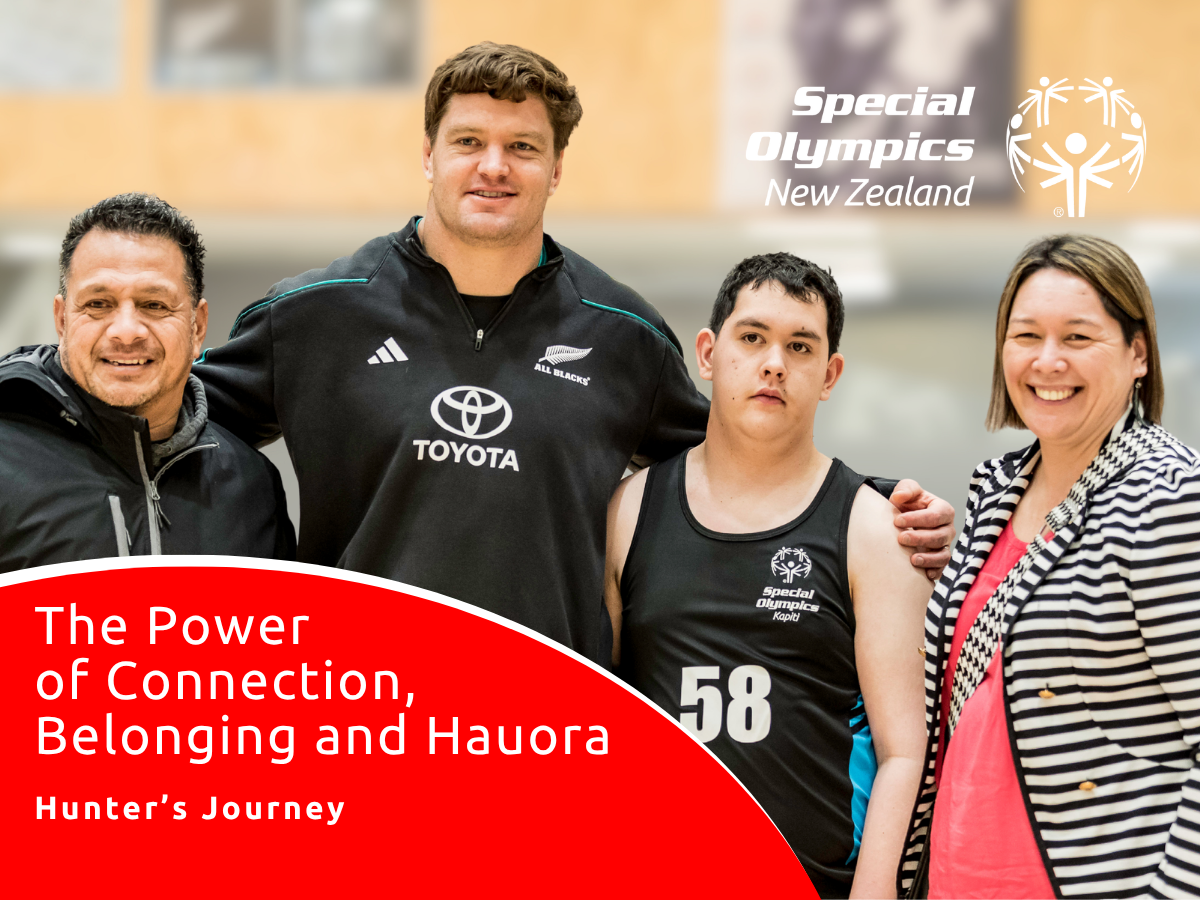
For Hunter and his whānau, Special Olympics New Zealand has provided more than sport — creating opportunities for connection, wellbeing, growth and community.
Hunter, a student at Paraparaumu College, was first introduced to Special Olympics New Zealand through the School Programme. It wasn’t until later that Harmony discovered athletes could continue their sporting journey through local Special Olympics New Zealand clubs.
Before joining Special Olympics New Zealand, Hunter’s interests were largely individual pursuits.
“Besides kura, he’d ride his bike and game,” says Harmony. “Outside of that, we hadn’t really found a space for him to call his own, where he felt comfortable and where we felt confident that he would be supported to be himself.”
Hunter has an intellectual disability caused by an extra chromosome 15. Harmony explains that Hunter’s disability affects the way his brain processes and retains information, meaning learning new skills and routines can take longer and repetition is important.
While he had experienced sport through school, Harmony says traditional competitive environments weren’t the right fit for him.
“Competitive mainstream spaces just aren’t his jam.”
Instead, they were looking for a place that was welcoming, focused on people as individuals and mana-enhancing.
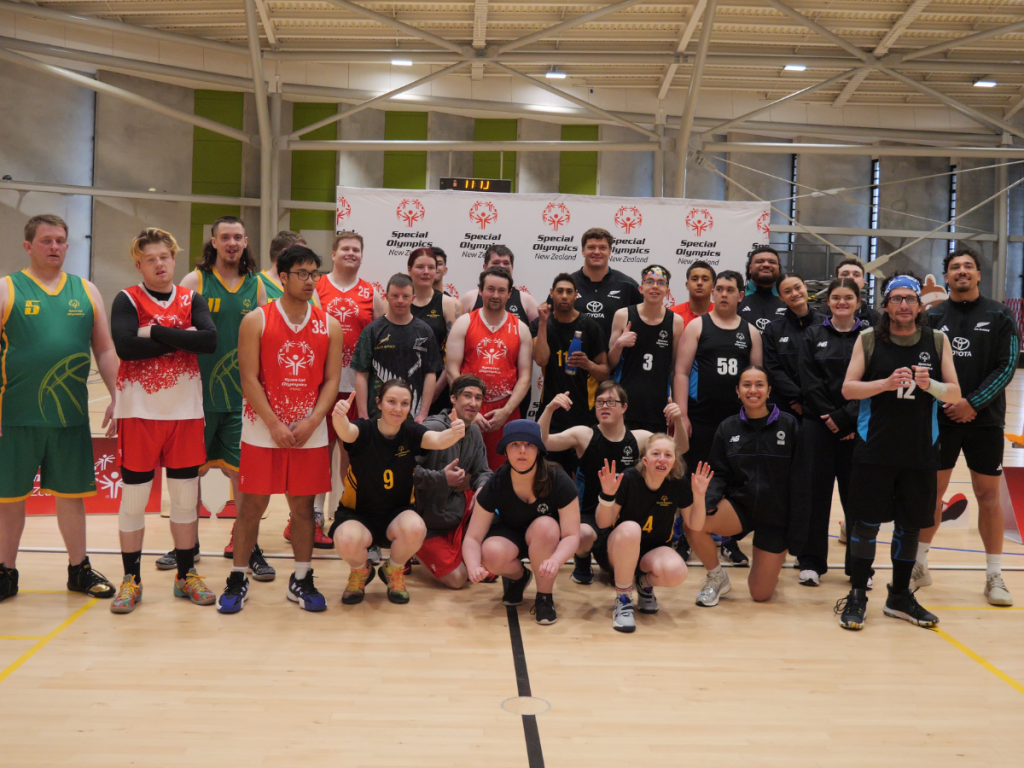
At Kāpiti Club, they met Vicki, who welcomed and enrolled Hunter into football, basketball and swimming.
The sports were familiar from school, but the experience extended beyond sport itself, opening the door to a wider community for both Hunter and his whānau.
Initially, Hunter spent much of his time watching and observing.
“He was very shy and not very confident.”
Recognising familiar faces from school helped, but it was the club culture that encouraged him to keep coming back.
“Within the club environment he blossomed. It was a space where he could be himself.”
Hunter adds, “I like playing basketball and football. I have good friends and we are really good at basketball and football.”
Harmony says one of the things that stands out most about Special Olympics New Zealand is what participation has made possible for Hunter.
What Participation Makes Possible
“There isn’t a big focus on winning or losing. The emphasis is on doing your best, whatever that might be.”
One of Hunter’s earliest basketball experiences left a lasting impression on both him and Harmony.
During a game, Athlete Leader Jack noticed Hunter hadn’t touched the ball. Recognising his uncertainty, Jack stopped play and encouraged Hunter to have a turn.
When Hunter didn’t get the shot in first time, nobody rushed him. He was given time and, eventually, the ball went through the hoop.
Harmony says she was moved that others had noticed, considered and responded in such an empathetic way. She had recognised Hunter’s uncertainty herself but quickly realised she was surrounded by people who also had his best interests and positive experience in mind.
“I think that experience encouraged him to go back.”
Today, she sees Hunter doing the same for others. If a teammate is struggling or feeling unsure, he notices. He stops, he offers encouragement and passes them the ball, helping create opportunities for others to participate and succeed.
The support that was shown to him is now something he shares with others.
Building Confidence and Independence
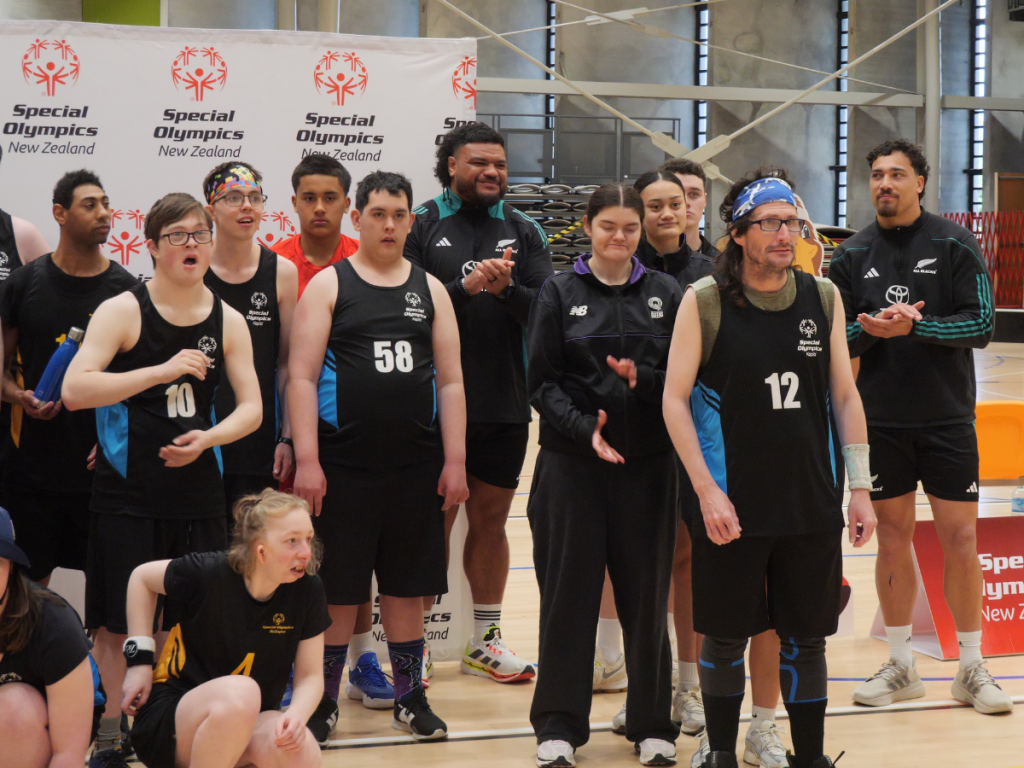
Harmony has watched Hunter grow in confidence both on and off the court. She describes him as a “grunty” player now, particularly in basketball.
While he remains thoughtful and considerate of others, he is increasingly confident using his voice and contributing within a team environment, including as a team captain.
Hunter explains, “When I play basketball, I yell to my team ‘defence’ when it’s our turn, and you have to put your arms up to get the rebounds. I am okay at getting rebounds; I like to defend. The coaches, Tim and Dean, are really good at basketball and they teach us lots at our practices on Saturday”.
Now, that confidence extends beyond sport. Hunter independently prepares for training and keeps track of what he needs to bring.
“He ticks off what he needs to take. He’s the boss.”
For Harmony, these moments of independence and development matter just as much as anything that happens during a game.
As Hunter approaches the end of his time at school, the confidence and connections he has built through sport have helped shape what comes next.
Like many young people with intellectual disabilities, Hunter had the option to remain at school until the age of 21. However, that no longer feels necessary. Hunter is graduating next year at the end of Year 13, alongside his friends in mainstream education.
Through Special Olympics New Zealand, Hunter has developed friendships, routines and a community beyond school, providing him with a space where he can continue to thrive as a young adult.
Hauora in Action
Alongside confidence and connection, Harmony has seen significant changes in Hunter’s wellbeing.
Before joining Special Olympics New Zealand, his mobility and flexibility were limited. Today, he talks regularly about health, fitness and looking after himself.
A favourite activity is the club’s Body Scan exercise, inspired by techniques used by the All Blacks.
Renamed “Fizzle” in their household, the exercise helps athletes prepare mentally and physically for activity. When Hunter feels nervous, he recognises his needs and uses the technique himself.
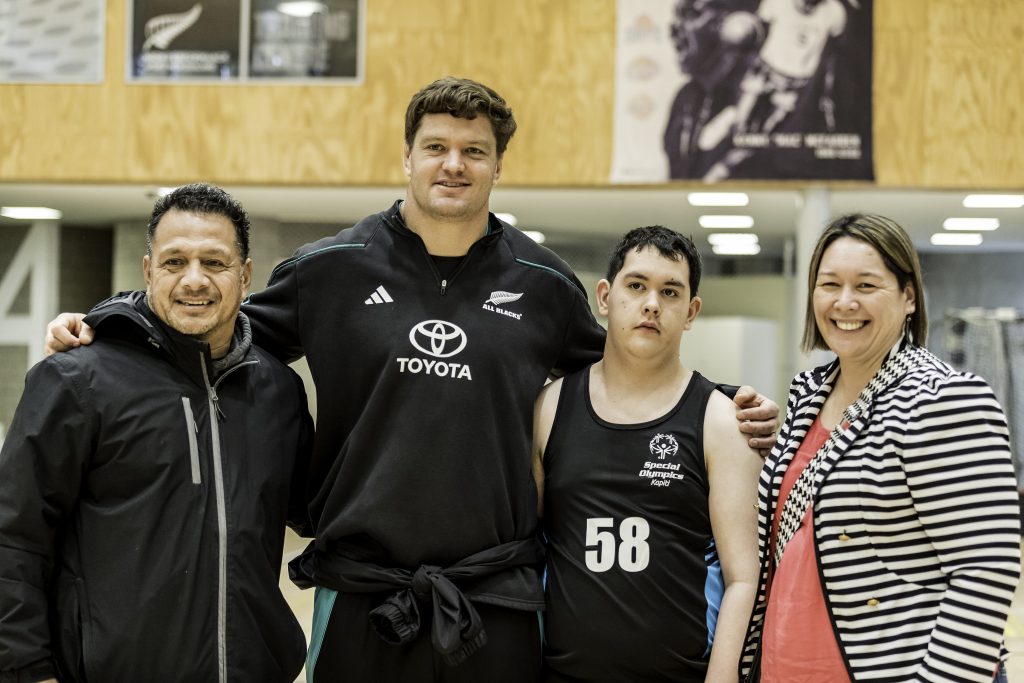
As well as these techniques, Hunter values the support of his teammates, adding, “Sometimes I get nervous, but everyone helps me and I help other people, because being kind is cool”.
The focus on hauora has extended into everyday life. Hunter stretches more. He thinks about healthy eating and he actively chooses nutritious foods.
Hunter explains with a thumbs up, “We do lots of running and practicing, so I have my water bottle because I sweat, and that’s good because I am being healthy and being healthy is great”.
He has also joined Fit 5, a fitness initiative led by Athlete Leader Jack, as part of his Athlete Leadership development.
Even after basketball training, Hunter chooses to stay for the additional Fit 5 session, which involves walking and running with his teammates.
“It’s self-initiated,” says Harmony. “It’s not something I’ve pushed. He can run now, which wasn’t something he could do before. His legs are stronger, his balance has improved, his confidence has grown and, most importantly, he enjoys it.”
For Hunter, spending extra time exercising is another opportunity to spend time with his friends.
Hunter explains, “I like playing football, I can kick the ball now because my friends showed me. I like to be the goalie because I am good at stopping the ball. I say ‘No way’ when I defend the ball. It is fun and we all laugh a lot”.
More Than Sport for Whānau Too
The impact has extended beyond Hunter. Harmony says one of the things she values most is the community that surrounds Special Olympics New Zealand.
“It’s an incredible community, not just for the athletes.”
Parents, grandparents, carers, volunteers and coaches gather, building connections of their own.
“You can sit and talk with people who get it.”
For families navigating experiences that can feel isolating, those conversations matter.
“It’s respite.”
Harmony recalls attending a Matariki basketball prizegiving where another athlete was struggling with disappointment.
Rather than rushing the moment or dismissing those emotions, coaches supported the athlete with patience and understanding.
Hunter noticed too, offering a thumbs up from the sidelines.
For Harmony, it reflected the values she sees throughout the club.
“It’s a place where those things are understood, emotions are acknowledged, people are given space and time to learn and grow, and athletes are supported as individuals.”
“It was really cool to see that in a public space.”
The wider whānau have embraced Hunter’s sporting journey too. With family members spread across Aotearoa New Zealand, updates about Hunter’s sports are regular topics of conversation. Whenever possible, relatives come along to support him. His involvement in sport has become something the whole family follows and celebrates.
Looking Ahead
Hunter’s journey from school sport to Special Olympics New Zealand Kāpiti Club has seen him participate in multiple sports, choose to take part in additional fitness activities, build his independence and prepare for life beyond school.
For Harmony, the biggest change isn’t any single achievement. It’s knowing that Hunter has found a community where he is understood, encouraged and supported to be himself.
For Hunter and his whānau, Special Olympics New Zealand has become much more than a place to play sport. It has become a community where connection, belonging and hauora continue to support Hunter’s growth, both on and off the field.
Why Support Matters
With the Law Enforcement Torch Run Polar Plunge taking place this July, wider community support helps create sporting opportunities for people with intellectual disabilities through Special Olympics New Zealand.
Harmony says, “Fundraising is about more than money, it’s about people”.
She explains, “It opens doors for athletes with health conditions and disabilities to feel seen, included, and valued for who they are. Through these opportunities, athletes can experience the joy of sport, build confidence in their own abilities, and create genuine connections with others who support and understand them.
For athletes like Hunter and his whānau, Special Olympics New Zealand is not just a programme, it’s a place of belonging.
Harmony says, “Fundraising helps make sure that no one misses out on that sense of community, friendship, and encouragement. It allows athletes to grow, to be proud of what they can achieve, and know they are part of something that truly acknowledges and cares about them”.
You can support the Special Olympics New Zealand community. Sign up to take the plunge this July, challenge others and help spread the word, or donate today.